


Building a legacy of love by putting Grandparenting Boundaries at the center of the visit.
For many sophisticated retirees, the arrival of a grandchild feels like a distinctive “victory lap” in life. It represents a well-earned opportunity to enjoy the wonder of childhood without the crushing weight of 2 a.m. feedings, teething fevers, or the relentless marathons of discipline. There is a natural, almost instinctual inclination to believe that years of prior parenting experience grant a permanent pass to indulge the child and perhaps bypass the parents’ stricter protocols.
However, this transition often triggers a hidden “power struggle” that can silently erode the very family cohesion you seek to nurture. When a grandmother says, “I thought I was just being helpful,” but her daughter feels undermined, the issue is rarely about the specific cookie or the extra hour of television. It is a fundamental disagreement over who holds the “parental remote control”.
Modern research into family systems suggests that when grandparents overstep, it often stems from a deep desire for reconnection or a subconscious need to validate their own past parenting choices. Yet, for the relationship to thrive across generations, both parties must navigate critical boundary zones with elegance and intentionality.
In our previous discussions, we explored the emotional weight of over-functioning in Is It Love, or Is It Parental Martyrdom? and the necessity of role evolution in The Strategic Shift in Parenting Adult Children: From Manager to Trusted Consultant.
This article builds on that foundation, illustrating how establishing clear grandparenting boundaries is not an act of exclusion but the essential framework for a partnership that benefits the entire family system.
Modern Living Flats
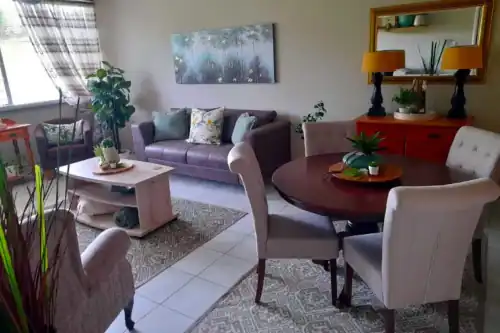
Basic Cottages

Modern Comfort Cottages

Comfortable Frail Care
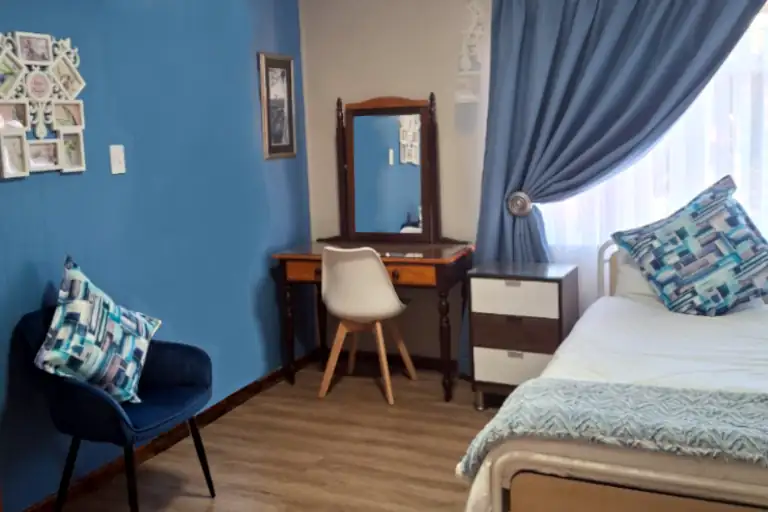
The “Hero vs. Villain” Dynamic
The phrase “One cookie won’t hurt!” or “Just one more show” seems entirely harmless in isolation. From the grandparents’ perspective, it is a simple act of love—a way to be the “fun” house and create a dopamine-rich environment for the grandchild. However, in the eyes of a parent who is meticulously trying to establish healthy habits and routine, this is a direct subversion of authority.
When a grandparent consistently ignores house rules, they inadvertently frame the parent as the “villain” (the one who says no) and themselves as the “hero” (the one who provides the treat). This creates a complex and damaging psychological impact. For the child, it creates confusion; if Grandma says a cookie is fine but Mom says no, the child learns that rules are not universal truths but negotiable obstacles depending on who is in the room.
For the parent, this dynamic erodes the sense of safety. Parents need to know that their “No” remains a “No” even when they aren’t present to enforce it. The erosion of this authority creates anxiety, which often leads to the parent restricting visits to regain control.
To navigate this sensitive grandparenting boundaries zone, grandparents should view themselves as the “Deputy” rather than the “Alternative Authority”. The most supportive action is to back the parents’ rules in front of the child, even if you disagree with them privately.
True influence is found in supporting the structure, not dismantling it.

The Fallacy of “You Turned Out Fine”
One of the most common friction points in multi-generational homes is the dismissal of modern parenting techniques. A grandparent might scoff at rear-facing car seats for toddlers, specific sleep sacks, or “gentle parenting” techniques by saying, “We didn’t do it that way, and you turned out fine”.
Psychologists call this the anecdotal fallacy. Just because a child survived a certain practice doesn’t mean it was optimal or safe. Modern parenting isn’t a critique of the 1980s; it is an evolution based on new data. We now know significantly more about infant sleep safety (SIDS), brain development, and emotional regulation than previous generations did.
When a grandparent says, “You turned out fine,” they are often defending their own ego rather than engaging with the facts. To admit that a new way is better feels like admitting they were “wrong” thirty years ago. This defensiveness blocks connection.
The solution lies in recognizing that “different” is not a “reproach”. A daughter choosing a different path isn’t a critique of her upbringing; it’s an application of current knowledge. Embracing this shift is a hallmark of emotional intelligence and maturity.
Wisdom is not knowing everything; it is the humility to accept that knowledge evolves.
The Realization that Access is a Privilege
A major turning point in the “helpful vs. undermining” saga is the shift in mindset regarding time spent with grandchildren. Many grandparents feel an inherent right to their grandkids, viewing access as an automatic extension of their lineage.
In most jurisdictions, grandparents do not have an inherent legal right to access; rather, access is a derivative of the relationship with the parents. This reality check is crucial for establishing healthy grandparenting boundaries and maintaining family harmony.
An entitled grandparent may show up unannounced, expecting to be entertained, or demand specific holiday time regardless of the nuclear family’s needs. A partner-grandparent asks, “How can I best support your family schedule this week?”.
Stability is the primary need of a child. If a grandparent’s presence causes high levels of stress or conflict for the parents, the “best interest” of the child may actually be less frequent, but more peaceful, contact. Access to grandchildren is a privilege earned through the respect of the parents’ boundaries.
The quality of your presence matters far more than the frequency of your visits.


The Unsolicited Advice Loop
Well-meaning suggestions like “Are you sure he’s eating enough?” or “She really shouldn’t be crying like that” often land as a vote of no confidence rather than helpful guidance. New parents are often in a state of high alert and self-doubt. When a grandparent—the person they theoretically look to for security—critiques their routine, it reinforces the parent’s fear that they are failing.
Research suggests that communication improves drastically when grandparents adopt a “consultant” role. A consultant doesn’t walk into a corporate boardroom and start barking orders; they wait to be hired for their specific expertise.
Practical application of this boundary involves the “Wait for the Ask” rule. Instead of offering a solution, offer a reflection: “I see how hard you’re working to soothe her. You’re doing a great job”. Wait for the daughter to ask, “Mom, did I ever do this?” before sharing the “solution”.
Your silence can be the most empowering vote of confidence you give them.
The Danger of Triangulation and Secrets
The most damaging boundary violation is the “Don’t tell your mom” trap. Whether it’s a secret treat, a prohibited video game, or a later bedtime, asking a child to keep a secret from their parent is a form of triangulation.
This creates moral confusion for the child, teaching them that withholding truth is an acceptable way to navigate relationships with people they love. It creates a “special club” between the grandparent and child that explicitly excludes the parent. While intended to create a bond, it actually creates a “wedge of dishonesty” that can lead to significant family fractures once the secret inevitably comes out.
Furthermore, if a child is taught to keep “small” secrets with a grandparent, they lose the internal compass that tells them when a secret is “bad” or “unsafe”. Parents rely on open communication to protect their children; undermining that puts the child at risk.
The alternative is to encourage surprises, not secrets. “Let’s make a surprise card for Mom!” is inclusive and joyful. “Don’t tell Mom about the candy” is divisive and risky.
Transparency builds trust; secrets build walls.
A Guide to Discussing Boundaries
Sitting down to discuss grandparenting boundaries can feel like walking through a minefield. The goal is to move the conversation away from accusations of “You’re doing it wrong” and toward a collaborative “Here is how we can be a team”.
Families thrive when they use “I” statements, focusing on feelings rather than accusations. For example, regarding unsolicited advice, a parent might say: “I know you have a ton of experience, and I value that. Right now, I’m feeling a bit overwhelmed. Moving forward, could you wait for me to ask for advice before offering it? It would really help me build my own confidence”.
Regarding the “You turned out fine” dynamic, a helpful script is: “I’m so grateful I turned out well! You did a great job with the tools you had. I’m trying to use some newer tools now… could I explain how it works?”.
It is essential to assume good intentions. Start by acknowledging the love involved (“I know you love the kids so much”), then pivot to the boundary. This disarms the natural defensiveness that arises during these talks.
| Category | The Goal | Conversation Starters |
| Dietary & Screen-Time Rules | Shifting from “The Fun One” to “The Supportive One.”Aiming for consistency between houses to ease transitions. | “Mom, I love how much the kids enjoy coming to your house. I want to make sure their transition back to our ‘home rules’ is easier on everyone. Can we look at our snack and TV limits together so we’re on the same page?” “We’ve noticed that when [Child’s Name] has extra sugar or screen time, their behavior at bedtime gets really difficult for us. We need your help in sticking to the limits so he stays on track. Are you open to some new snack ideas?” “I know it’s tempting to be the ‘Yes’ person, but it makes me feel like the ‘No’ person. I’d love it if we could both be the ‘Yes’ people for things like extra stories or outdoor play instead of treats.” |
| Modern Parenting vs. “You Turned Out Fine” | Validating their past while prioritizing current safety/research.Acknowledging their success while explaining new methods. | “I know the rules have changed so much… and it must feel frustrating… But we’re following the current pediatric guidelines for [car seats/sleep/solids] to be as safe as possible. Can I share the latest info with you so you’re in the loop?” “I’m so grateful I turned out well! You did a great job with the tools you had. I’m trying to use some newer ‘gentle parenting’ tools now to help with [Child’s Name]’s big emotions—could I explain how it works so you can try it too?” “When you say ‘you turned out fine,’ it feels like you’re dismissing my choices. I’m not judging how you raised me; I’m just making the best decisions I can with the information available in 2026.” |
| Access & Partnership | Moving from Entitlement to Mutual Respect.Establishing boundaries around time and parental roles. | “We really value your relationship with the kids. To make sure our family time stays stress-free, we’d like to start scheduling visits in advance rather than having pop-ins. What days usually work best for you?” “I want our home to be a place where everyone feels relaxed. That happens best when our family’s routine is respected. How can we work together to make sure your visits fit into the kids’ schedule?” “I want you to be a huge part of their lives. For that to work long-term, I need to feel like my Role as the parent is being respected. Can we talk about how to make that happen?” |
| Unsolicited Advice | Establishing the “Consultant” Role.Encouraging support rather than instruction. | “We have a ‘No Secrets’ rule in our house to keep the kids safe. We want them to know they can tell us anything. Can we agree to only have ‘surprises’ (like a birthday gift) instead of ‘don’t tell Mom’ secrets?””When [Child’s Name] told me you said, ‘Don’t tell Mom about the candy,’ it worried me. I never want them to feel like they have to hide things from me. Can we make sure we’re always a united front?””It’s really important to me that the kids see us as a team. If they think they can go behind my back to you, it hurts my relationship with them and yours with me. Let’s keep everything transparent.” |
| Secret-Keeping & Triangulation | Maintaining a “No Secrets” Safety Policy. Ensuring a united front and child safety. | “We have a ‘No Secrets’ rule in our house to keep the kids safe. We want them to know they can tell us anything. Can we agree to only have ‘surprises’ (like a birthday gift) instead of ‘don’t tell Mom’ secrets?” “When [Child’s Name] told me you said, ‘Don’t tell Mom about the candy,’ it worried me. I never want them to feel like they have to hide things from me. Can we make sure we’re always a united front?” “It’s really important to me that the kids see us as a team. If they think they can go behind my back to you, it hurts my relationship with them and yours with me. Let’s keep everything transparent.” |
Clear communication is the bridge that turns conflict into connection.
Conclusion: From Conflict to Legacy
The research into grandparenting boundaries reveals a fundamental truth: the “village” that helps raise a child is only effective when it operates under a single, unified set of blueprints. When grandparents and parents work from different plans, the structure of the child’s world becomes unstable.
The transition from being the primary decision-maker to the secondary supporter is often an unacknowledged grieving process for the older generation. Grandparents may feel a loss of influence, while adult children feel a desperate need for autonomy. However, as these five boundary zones illustrate, the most successful multi-generational families are those that replace entitlement with intentionality.
Ultimately, setting boundaries isn’t about pushing grandparents away—it’s about inviting them in under conditions that allow the relationship to last a lifetime. When a grandparent moves from being an “Alternative Authority” to a “Consultant,” they move from a position of potential conflict to a position of profound legacy.
Visit our Homepage at lagratitude.co.za for the friendliest retirement accommodation in Northern KwaZulu-Natal, or feel free to contact:
Amenities & Features:
- Independent living cottages
- Beautiful garden surroundings
- Secure and quiet environment
- Well-maintained facilities
- Sense of community and peace of mind
For more information or to schedule a viewing, please visit https://lagratitude.co.za/
Related Reading
Why setting grandparenting boundaries fosters partnership and healthy multi-generational family dynamics:
- Clear boundaries help maintain healthy parent-grandparent relationships
Setting and communicating clear boundaries between parents and grandparents supports positive family dynamics and reduces conflict.
https://www.parents.com/parenting/dynamics/grandparents/challenging-grandparent-styles-and-how-to-set-boundaries-to-cope-with-them/ - Grandparenting roles and boundaries should be discussed openly
Deciding on your role and talking with parents about expectations and limits helps everyone understand boundaries and reduces tension.
https://raisingchildren.net.au/grown-ups/grandparents/family-relationships/roles-boundaries - Grandparents do not have automatic legal rights to access grandchildren
In many jurisdictions, including South Africa and the UK, grandparents have no inherent legal right to see their grandchildren; access depends on parental decisions or court orders.
https://barnardinc.co.za/2023/10/25/do-grandparents-have-rights-over-their-grandchildren-under-south-african-law/
https://repository.up.ac.za/bitstreams/3f5c8b9b-5a6a-40b8-8b36-2e2b085f3091/download - Grandparent visitation and parental rights are legally constrained in many systems
Court cases like Troxel v. Granville reaffirm that parents have fundamental rights to raise their children and that third-party visitation can’t override parental authority.
https://en.wikipedia.org/wiki/Troxel_v._Granville - Intergenerational transition to grandparenthood changes family communication and roles
Research shows that becoming a grandparent alters communication dynamics with adult children and can highlight role boundaries between generations.
https://www.researchgate.net/publication/318892594_Grandparents%27_Perspectives_on_Parent-Adult_Child_Relationships_During_the_Transition_to_Grandparenthood - Grandparenting styles (including overinvolvement) influence child outcomes differently
Empirical research suggests grandparenting that lacks boundary clarity (e.g., overprotection) is associated with greater emotional and behavioral issues in grandchildren compared with well-aligned parenting roles.
https://pmc.ncbi.nlm.nih.gov/articles/PMC10065465/ - Psychological and community support for grandparents includes boundary guidance
Grandparent support communities explicitly discuss boundary setting as part of staying connected while avoiding intrusiveness or role conflict.
https://www.psychologytoday.com/za/blog/bridging-three-generations/202512/why-grandparents-need-communities-too - Healthy grandparent involvement includes respect for parental guidance and limits
Advice from grandparenting experts emphasizes honoring parental boundaries and avoiding co-parenting or enabling behaviors that undermine parental authority.
https://christiangrandparenting.com/grandparent-boundaries/
Thank you for your continued support, we appreciate your likes, follows and retweets on Facebook, Twitter, Pinterest and LinkedIn. Make sure to share this post with friends and family.
q
You can make a difference

With your assistance, the volunteers at La Gratitude will be able to take better care of not only the residents at the old age home but also the greater Newcastle community. La Gratitude is constantly involved in outreach projects to help the elderly in need in and around Newcastle.
Your donations will be greatly beneficial in the provision of food and other basic necessities for the less fortunate elderly people that require assistance.
Donating is easy, click here to donate now.


