

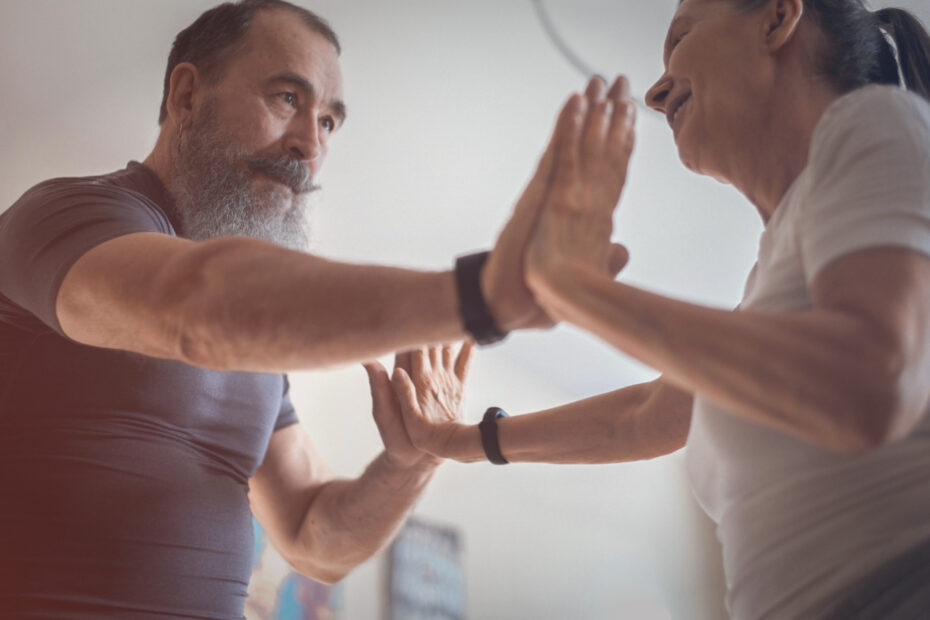
Redefining the Standard of Living for the Modern Retiree While Uplifting Strength
Retirement is often misunderstood as a purely temporal milestone—a date on the calendar marking the end of formal employment. For the discerning individual, however, this season represents a decisive opportunity to reshape identity and renew purpose with intention. The stakes in this transition are high. Retirement does not simply redefine how time is filled; it determines how life is lived, sustained, and experienced over the long term.
A frequent concern among families in metropolitan centres such as Johannesburg or Durban is the assumption that relocating to a quieter setting, such as Newcastle, requires a compromise in care, stimulation, or quality of life. This concern is understandable. It is also incomplete. When examined carefully, it becomes clear that the standard of living in retirement is not driven by geography, but by structure, support, and intentional design.
True quality of life in later years is defined by access to reliable care, continuity of support, meaningful engagement, and the freedom to live with dignity. Research into elderly support environments consistently shows that places designed to foster uplifting strength and wellbeing tend to enhance growth rather than restrict it.
When unnecessary pressure falls away, the inner person has room to strengthen, stabilise, and mature alongside physical safety.
This framework brings together research, lived experience, and pastoral care principles to outline how a positive and fulfilling year in retirement can be intentionally built. Rather than relying on surface-level indicators of success, it focuses on four integrated pillars—spiritual, relational, cognitive, and physical—that together establish a resilient and dignified standard of living.
The Foundation of Spiritual Resilience
Sustainable vitality in retirement is most often anchored in spiritual strength. This is not primarily about religious attendance or external observance. It is about the steady renewal of trust, identity, and perspective through daily spiritual practices that orient life around God rather than former roles or productivity.
Spiritual strength in this season expresses itself as dependable presence. It allows a person to remain calm, grounded, and available even as physical capacity changes. Scripture consistently presents strength not as relentless effort, but as rooted dependence.
Modern Living Flats
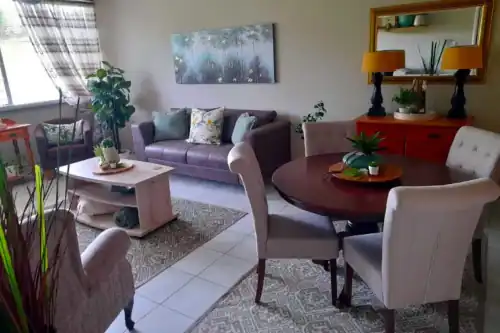
Basic Cottages

Modern Comfort Cottages

Comfortable Frail Care
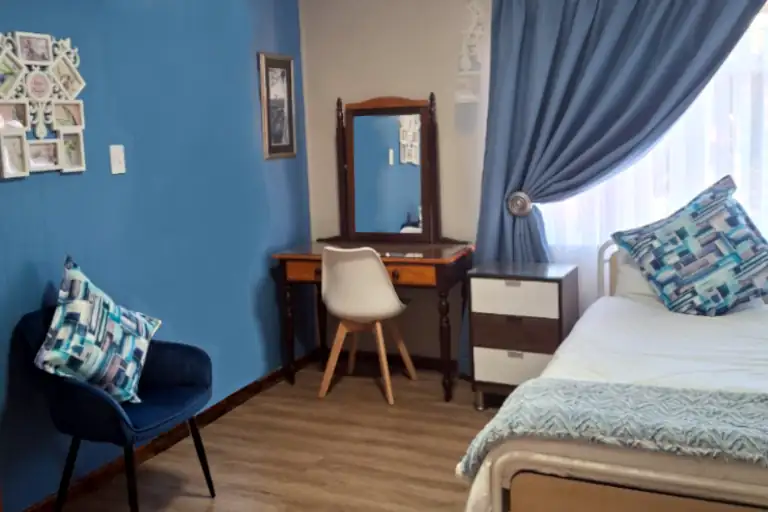
Biblical Models of Mature Strength
Moses, in his later years, did not lead through intensity. He led through trust, wisdom, and delegation. His strength matured as he recognised limits and leaned into God’s provision. This pattern reframes retirement strength as discernment rather than endurance.
A similar pattern appears in the life of Anna. Her long faithfulness in worship and prayer did not diminish her relevance. It sharpened her clarity and witness. Her example reinforces that uplifting strength and wellbeing is sustained through consistency, not urgency.
Depth is formed quietly, through faithfulness practiced over time.
Establishing a Rule of Life
To cultivate this foundation, a simple and realistic Rule of Life is essential. Morning prayer, scripture reading, and brief reflection anchor the day and create internal stability. These practices may appear modest, yet their cumulative effect reshapes inner resilience and sustains strength across every stage of retirement.

Relational Strength and Community Integration
A fulfilling retirement is sustained by relational strength. Decades of research confirm that regular social engagement protects cognitive function and improves emotional well-being in older adults. Isolation, by contrast, accelerates decline. Connection restores balance, meaning, and confidence.
Relational strength does not develop passively. It requires deliberate structure and intentional participation.
Designing a Personal Support Map
One effective approach is creating a personal Support Map. This visual framework identifies concentric circles of connection: close family, trusted friends, faith community, and professional or municipal elderly support services. Each circle requires intentional action to remain active rather than assumed.
Without this clarity, relationships drift into the background and isolation increases subtly over time.
Contribution Through Mentorship and Service
Mentorship is a particularly powerful expression of relational contribution. Retirees who mentor younger generations consistently report improved mood, renewed purpose, and stronger engagement within months. This dynamic preserves agency and reinforces identity.
Whether through accountability partnerships, shared interest groups, or volunteer service, relational intentionality is not optional. Uplifting strength and wellbeing depend on meaningful connections that reinforce dignity and belonging.


Cognitive Agility and Lifelong Learning
Cognitive strength forms the third pillar of a resilient retirement. A well-designed living environment encourages ongoing learning and creativity rather than withdrawal. Mental agility is sustained through challenge, curiosity, and contribution.
Engaging in hobbies, problem-solving activities, or structured learning stimulates brain health and reinforces confidence. Purposeful volunteering is especially effective, as it combines cognitive effort with social meaning.
Learning as Discipline, Not Distraction
Cognitive vitality is rarely sustained in isolation. It thrives in contribution—planning, teaching, organising, and creating alongside others. This reinforces uplifting strength and wellbeing by aligning mental engagement with purpose.
Deepening a craft such as gardening, music, writing, or study requires scheduling and commitment. This is not about filling time. It is about honouring the capacity for growth and mastery.


Physical Vitality and Safe Movement
Physical resilience supports independence, confidence, and dignity. In retirement, strength is not defined by intensity. It is defined by functional capacity—the ability to move safely, maintain balance, and engage in daily life without fear or exhaustion.
- International guidelines recommend 150 to 300 minutes of moderate aerobic activity per week,
- supported by strength and balance training twice weekly.
These goals are most effectively achieved through consistent, gentle practices rather than sporadic exertion.
Integrating Movement Into Daily Rhythm
Simple routines such as sit-to-stands, wall push-ups, heel raises, and balance exercises protect mobility and reduce fall risk. When physical activity is integrated with relational or spiritual rhythms, participation becomes more sustainable.
Walking groups that combine conversation or reflection support both body and connection.
Physical stewardship reinforces uplifting strength and well-being when it is approached as care rather than performance.
Practical Stewardship and Future Planning
The final pillar supporting uplifting strength and wellbeing is practical stewardship. Financial clarity, housing security, and healthcare planning create stability and peace of mind. This security is intentional, not accidental.
Regular budget reviews help align resources with values such as generosity, hospitality, and sustainability. Keeping wills, healthcare directives, and emergency contacts current ensures clarity for individuals and families alike.
Using Support Systems Wisely
For those considering supported living, engagement with local elderly support services adds essential layers of security. Municipal programmes, healthcare networks, and faith-based organisations provide transport, counselling, and coordinated care.
Addressing financial concerns early with trusted advisors simplifies decision-making and reduces anxiety. Strength in this season is often expressed through wise limitation and the willingness to receive structured support.
Four Pillars of Uplifting Strength and Wellbeing
| Pillar | Focus | Practical Expression |
| Spiritual | Inner resilience and identity | Daily prayer, scripture, reflection |
| Relational | Connection and contribution | Mentorship, fellowship, community groups |
| Cognitive | Mental agility and curiosity | Learning, hobbies, teaching, volunteering |
| Physical | Mobility and functional strength | Walking, balance work, gentle resistance |
Conclusion
Uplifting strength and wellbeing emerge from the integration of spiritual depth, relational connection, cognitive engagement, and physical stewardship. When weakness is reframed as an invitation to community and grace, new possibilities for service and contribution appear.
Transitioning into a supported living environment in Newcastle is not a retreat from life, but a strategic move toward greater intention, security, and peace. Strength for this season is formed through steady practice, honest limits, and dependence on God. When body, mind, and community are stewarded with care, each day becomes an investment in a life of dignity and flourishing.
For those seeking a supportive, values-aligned retirement environment in Northern KwaZulu-Natal, La Gratitude offers:
- Independent living cottages
- Beautiful garden surroundings
- A secure and quiet environment
- Well-maintained facilities
- A strong sense of community and peace of mind
For more information or to arrange a viewing, please visit lagratitude.co.za.
Biblical References
- Exodus 18:17–18 (NIV)
“Moses’ father-in-law replied, ‘What you are doing is not good. You and these people who come to you will only wear yourselves out. The work is too heavy for you; you cannot handle it alone.’” - Luke 2:36–38 (NIV)
“There was also a prophet, Anna… She never left the temple but worshiped night and day, fasting and praying… She gave thanks to God and spoke about the child to all who were looking forward to the redemption of Jerusalem.” - 2 Corinthians 12:9 (NIV)
“But He said to me, ‘My grace is sufficient for you, for My power is made perfect in weakness.’”
Citations
- World Health Organization. Guidelines on Physical Activity and Sedentary Behaviour.
https://www.who.int/publications/i/item/9789240015128 - National Institute on Aging. Social Isolation, Loneliness in Older People Pose Health Risks.
https://www.nia.nih.gov/health/social-isolation-loneliness-older-people-pose-health-risks - Harvard T.H. Chan School of Public Health. The Importance of Social Connections.
https://www.hsph.harvard.edu/news/hsph-in-the-news/the-importance-of-social-connections/ - Alzheimer’s Association. Brain Health and Cognitive Activity.
https://www.alz.org/help-support/brain_health - HelpAge International. Global Ageing and Older People.
https://www.helpage.org/global-ageing/
Thank you for your continued support, we appreciate your likes, follows and retweets on Facebook, Twitter, Pinterest and LinkedIn. Make sure to share this post with friends and family.
You can make a difference

With your assistance, the volunteers at La Gratitude will be able to take better care of not only the residents at the old age home but also the greater Newcastle community. La Gratitude is constantly involved in outreach projects to help the elderly in need in and around Newcastle.
Your donations will be greatly beneficial in the provision of food and other basic necessities for the less fortunate elderly people that require assistance.
Donating is easy, click here to donate now.


