

Navigating the complex dynamic of obligation vs love for a more fulfilling and independent lifestyle.
Retirement is fundamentally about the quality of life and the enduring legacy of the relationships we cultivate. Often, families face a profound fear that transitioning away from major metropolitan hubs like Johannesburg, Pretoria, or Durban to a more tranquil environment means compromising on both premium care and familial closeness.
The reality is beautifully different. Embracing exceptional living in a dedicated, secure community actually fosters family bonds by removing the heavy burdens of daily caregiving. Recent psychological insights into family dynamics provide compelling proof of this, demonstrating that genuine connection thrives when care is managed to a professional standard.
As we explore the nuanced spectrum of obligation vs love within families, a profound transformation emerges. You will discover essential pillars for this transition, including strategies for emotional well-being, insights into balanced family dynamics, the resilience to establish boundaries, and the continuity of secure independence.
Modern Living Flats
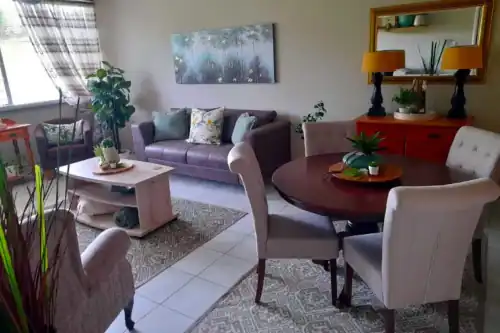
Basic Cottages

Modern Comfort Cottages

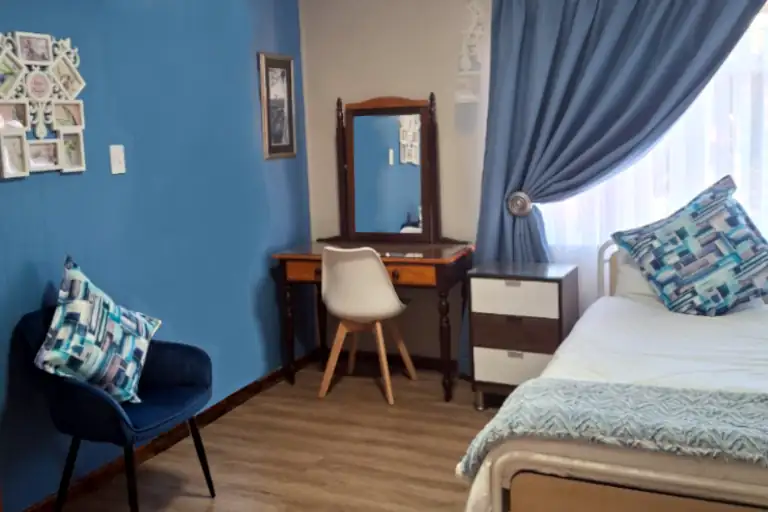
Comfortable Frail Care
The Foundation of Authentic Emotional Connection
In many family systems, showing up resentfully is mistakenly viewed as noble affection because family is expected to come first. Experts consistently note this confusion stems from long-standing patterns where affection is felt tied to specific roles rather than free choice. In the debate of obligation vs love, true emotional well-being requires recognizing that genuine care must be given freely.
The resulting dynamic of obligation vs love means people frequently perform demanding duties while quietly resenting them. They mistakenly believe that profound sacrifice is the ultimate proof of their worth, framing relationships around rigid requirements rather than mutual respect.
To fully grasp obligation vs love, we must acknowledge that chosen affection feels entirely voluntary. In contrast, obligated affection tied solely to shared bloodlines can feel significantly heavier. People may suppress their discomfort simply to maintain peace, leading to an invisible drain on emotional reserves.
When exploring obligation vs love, it becomes clear that genuine connection does not require constant availability. It peacefully coexists with honest differences and geographical distance. Moving to a premium environment elevates this dynamic, allowing families to interact out of joy rather than duty.
Relieving the Burden of Constant Giving
Over years of family life, repeatedly giving time and energy without adequate reciprocity can slowly evolve into a subconscious transaction. Individuals may over-function simply to feel essential to the family unit, resulting in profound relational fatigue.
Therapists frequently describe this as high-functioning codependency. Here, family members quietly resent the caregiving roles they never formally chose but have internalized over time. When evaluating obligation vs love, it is vital to recognize that love without reciprocity easily shifts into entitlement and profound burnout.
Longitudinal data beautifully clarifies this spectrum. A gentle sense of responsibility, termed light obligation, consistently predicts higher baseline life satisfaction and lower depressive symptoms. It fosters more support and significantly less emotional strain across family ties.
Conversely, substantive obligation—such as intensive, unaided caregiving—is directly linked to depressive symptoms and slower growth in supportive relationships. This heavy burden compromises personal well-being without improving long-term bonds.
Choosing a comprehensive lifestyle solution like La Gratitude is a strategic decision that entirely shifts this burden. By providing unparalleled security and continuous care, the weight of substantive duty is lifted. Families can then focus entirely on the lighter, joyous aspects of obligation vs love.


Navigating the Silent Reservoir of Resentment
When families fail to balance obligation vs love, operating from a place of forced duty rather than a genuine desire to connect builds a silent reservoir of resentment. This hidden frustration inevitably leaks into interactions, coloring family gatherings with subtle tension rather than open joy.
The concept of emotional labor perfectly exemplifies this tension. The invisible work of monitoring moods, remembering varied obligations, and managing everyone’s feelings often falls disproportionately on one or two dedicated family members.
When assessing obligation vs love, signs of this imbalance include chronic exhaustion, anxiety about keeping the peace, and feeling more like a family manager than a cherished loved one.
When expectations go unmet or feel inequitable, profound disappointment festers. Over time, these small favors carry heavy price tags. This is where the distinction of obligation vs love becomes critical. The goal is to entirely untangle family ties so that love feels authentic and free of transactional weight.
We see this clearly when examining previous insights, such as The Invisible Ledger: How Financial Strings Control Family Relationships at https://lagratitude.co.za/financial-strings/, which highlights how unspoken exchanges erode trust. Dismantling these ledgers fosters an environment of absolute emotional freedom.
Building Resilience Through Healthy Boundaries
Breaking the cycle of resentful giving requires immense resilience to face the inevitable guilt that arises when stepping back. This uncomfortable sense that setting limits proves selfishness is deeply ingrained in many family histories.
This reaction is frequently amplified by cultural messages dictating that extended family needs must supersede personal well-being. Triggers for this guilt include a deep fear of rejection or the anxiety of disrupting familiar dynamics.
However, guilt is not a reliable indicator of wrongdoing. Often, families are simply habituated to feeling guilty about establishing necessary personal limits. When navigating obligation vs love, recognizing this conditioning is the first crucial step toward lasting emotional health.
More About La Gratitude Accommodation
The Power of Clear Communication
Practicing keen body awareness and journaling helps separate childhood conditioning from true adult values. Using clear statements allows individuals to express empathy while remaining firm. Sustained boundaries significantly reduce long-term resentment.
Redesigning family participation gradually allows for immense personal growth. This concept aligns perfectly with understanding Why Setting Grandparenting Boundaries Leads from Interference to Partnership at https://lagratitude.co.za/grandparenting-boundaries/, demonstrating that structured limits create profound mutual respect.
For adult children in Johannesburg or Pretoria, supporting a parent’s move to a premium Newcastle estate replaces the anxiety of obligation vs love with the absolute certainty of professional, dignified support.
Cultivating Lifestyle Continuity and Truer Bonds
Authentic love operates beautifully independent of resentful tasks. It allows for natural differences and does not require proving one’s value through continuous over-giving. It thrives on choice, reciprocity, and incredible flexibility.
When we critically evaluate obligation vs love, we find that genuine affection means hosting family from a place of pure joy. It means having the absolute freedom to say no without enduring cycles of self-punishment or crippling guilt.
Cross-cultural research reveals that in many collectivist settings, family obligations serve adaptive functions. Yet, expectations must remain realistic to prevent individuals from feeling deeply burdened. In individualistic contexts, personal choice takes precedence, though warmth remains universally tied to positive adjustment.
Each man should give what he has decided in his heart to give, not reluctantly or under compulsion, for God loves a cheerful giver. This perfectly encapsulates the spirit of giving freely.
Transitioning to an exceptional environment like La Gratitude is never a compromise—it is an elevation. It provides upper-middle-class retirees with an unparalleled standard of living, beautiful garden surroundings, and a secure, quiet environment.
Removing the daily friction of obligation vs love ensures families enjoy the purest forms of connection, knowing that comprehensive care is guaranteed.
Understanding Relationship Dynamics: Duty vs. Genuine Affection
| Aspect | Obligation-Driven Approach | Genuine Love-Driven Approach |
| Motivation | Duty, guilt, fear of disapproval | Desire, mutual choice, reciprocity |
| Emotional outcome | Resentment, exhaustion, score-keeping | Connection, lightness, appreciation |
| Boundaries | Viewed as betrayal or selfishness | Seen as healthy self-respect and sustainability |
| Cultural fit | Strong in collectivist norms; can feel burdensome if unchosen | Flexible across cultures when reciprocal |
| Long-term effect | Light responsibility is linked to higher satisfaction and support | Light responsibility linked to higher satisfaction and support |
A Future of Clarity, Confidence, and Continuity
Ultimately, resolving the complex tension of obligation vs love requires a deliberate shift toward clarity, confidence, and continuity. It is about actively distinguishing between actions driven by genuine care and those forced by unspoken duty. Nobody desires to be a burden, nor should anyone feel permanently trapped by unchosen roles.
By embracing a lifestyle that inherently balances responsibility with ultimate freedom, families preserve their most precious connections. Choosing a premium, secure environment effectively removes the transactional weight, allowing authentic affection to flourish uninterrupted.
Peace of mind is an entirely achievable standard of living. When you secure exceptional care in a supportive community, you establish a lasting legacy of dignity and profound relational joy.
Visit our Homepage at lagratitude.co.za for the friendliest retirement accommodation in Northern KwaZulu-Natal, or feel free to contact us.
Amenities & Features:
- Independent living cottages
- Beautiful garden surroundings
- Secure and quiet environment
- Well-maintained facilities
- Sense of community and peace of mind
For more information or to schedule a viewing, please visit https://lagratitude.co.za/
Citations
- The effects of obligation on relationships and well-being over time – https://www.midus.wisc.edu/findings/pdfs/2105.pdf
- When Family Obligation Becomes Too Much – https://www.terricole.com/when-family-obligation-becomes-too-much/
- 12 Truths About Relating in Our Families – https://www.psychologytoday.com/us/blog/between-the-generations/202409/12-truths-about-family-relationships
- Why Setting Family Boundaries Triggers You, and What Helps – https://www.psychologytoday.com/us/blog/conquering-codependency/202505/why-setting-family-boundaries-triggers-you-and-what-helps
- Emotional Labor in Relationships: When Love Becomes Work – https://www.psychologytoday.com/us/blog/here-there-and-everywhere/202602/emotional-labor-in-relationships-when-love-becomes-work
- Cross-Cultural Similarities and Differences in Parenting – https://pmc.ncbi.nlm.nih.gov/articles/PMC8940605/
- Love By Choice vs. Love By Obligation – https://www.huffpost.com/entry/love-by-choice-vs-love-by_b_4536202
- Chosen Love vs Obligated Love – https://medium.com/pixie-haing/chosen-love-vs-obligated-love-what-no-one-talks-about-f5611e6a191c
Thank you for your continued support, we appreciate your likes, follows and retweets on Facebook, Twitter, Pinterest and LinkedIn. Make sure to share this post with friends and family.
You can make a difference

With your assistance, the volunteers at La Gratitude will be able to take better care of not only the residents at the old age home but also the greater Newcastle community. La Gratitude is constantly involved in outreach projects to help the elderly in need in and around Newcastle.
Your donations will be greatly beneficial in the provision of food and other basic necessities for the less fortunate elderly people that require assistance.
Donating is easy, click here to donate now.


