

Understanding the Essential Role of the Gerontological Social Worker in Premium Senior Living
Choosing a premium retirement destination is rarely just about timing; it is fundamentally about securing an elevated, uncompromising quality of life. For many discerning families residing in major metropolitan hubs like Johannesburg, Pretoria, or Durban, the prospect of relocating to a more tranquil setting like Newcastle can sometimes be accompanied by a quiet apprehension. Will leaving the city mean compromising on the sophisticated standard of continuous medical care or daily lifestyle support they are accustomed to?
The reality is quite the opposite. Exceptional living, characterised by profound peace of mind, pristine surroundings, and strict security, actively flourishes within a thoughtfully structured environment outside the congestion of major cities. Our recent internal research and global standards confirm that achieving this gold standard of care requires much more than state-of-the-art medical facilities. It demands a holistic, highly personalised approach anchored by a dedicated professional.
A social worker in elderly care occupies one of the most complex and emotionally demanding roles within the healthcare landscape. While medical staff expertly manage the biological realities of ageing, the gerontological social worker manages the intricate biopsychosocial and systemic realities. Moving forward, we will explore how this pivotal role transforms the ageing experience through strategic pillars: mastering transitions, clinical psychosocial management, family mediation, and unwavering ethical advocacy.
The Role of a Gerontological Social Worker
What is the difference between a nurse’s role and a social worker’s role in a premium retirement community?
While doctors and nurses focus primarily on diagnosing conditions and managing the daily physical care needs of residents, a gerontological social worker is responsible for managing the human experience surrounding ageing. Where medical staff address the biological realities of ageing, the social worker manages the biopsychosocial and systemic realities. They stand alongside residents to navigate moments of transition, uncertainty, grief, cognitive change, and end-of-life decision-making.
How does a social worker assist when an elderly loved one is reluctant to transition to a higher level of care?
Moving into a frail care facility is rarely a simple relocation and is often triggered by a crisis or medical decline. In these delicate situations, social workers provide care-level mediation, facilitating highly charged family meetings when declining health necessitates a move against a resident’s wishes. They expertly navigate the ethical complexities of balancing a resident’s deep desire for autonomy with their fundamental need for safety.
Do social workers in elderly care only support the residents, or do they help the families as well?
Family systems work consumes a substantial portion of the social worker’s time, as the ageing process often intensifies unresolved family dynamics. Social workers frequently become the professionals responsible for helping families navigate the guilt surrounding placement decisions, severe caregiver burnout, sibling disagreements, and complex medical decision-making conflicts. Their role requires complete neutrality and emotional intelligence to advocate for the resident’s wishes while maintaining productive family relationships.

Mastering Life’s Significant Transitions
Admission to a retirement village, assisted living environment, or frail care facility is seldom viewed by residents as a simple change of address. More often, it follows a significant life event such as a medical crisis, the loss of a spouse, or increasing frailty that has made independent living exceptionally difficult. For many older adults, this transition represents the end of familiar routines and brings valid, deeply felt concerns regarding identity, reduced privacy, and independence.
The social worker frequently becomes the first professional responsible for helping residents and families navigate these complex emotions with grace and dignity. They conduct comprehensive biopsychosocial assessments, meticulously evaluating physical health, mental health, long-term finances, and existing social networks.
Particular attention is consistently devoted to mitigating Relocation Stress Syndrome, a recognised condition involving anxiety, confusion, and depression that can unfortunately occur following relocation into institutional care.
By identifying vital elements of control that can be naturally maintained, the social worker actively protects the resident’s absolute right to self-determination and preserves their autonomy. When families from bustling metropolitan centres choose our facilities, they are actively upgrading their loved one’s environment to one of serene security, knowing this transition is expertly and compassionately managed.


Comprehensive Clinical and Psychosocial Support
Exceptional senior living demands that we unequivocally see the whole person behind the medical diagnosis. While doctors focus on clinical treatment and nurses manage daily physical needs, the social worker carries the profound responsibility for the human experience surrounding ageing. Two residents may share the identical medical diagnosis while requiring entirely different interventions due to differences in their personal values, family support, and lifelong coping styles.
In addressing psychological well-being, the social worker plays a central role in identifying and responding to depression, anxiety disorders, and profound loneliness. Depression in older adults frequently presents differently than in younger populations, often masking itself as fatigue, sleep difficulties, or declining motivation rather than outright sadness. The gerontological social worker actively screens for these nuances to integrate vital mental health strategies seamlessly into physical care plans.
Navigating Cognitive Changes with Dignity
Navigating cognitive decline requires immense professional skill, continuous education, and deep empathy. The social worker helps residents and families track the progression of Alzheimer’s or dementia while implementing gentle behavioural interventions to manage wandering or distress safely. They assist families in adapting to one of dementia’s most painful realities: losing pieces of the person they have known while that person is still physically present.
We must remember why growth remains one of the most important parts of retirement; thus, the social worker also fosters purpose by developing engaging programmes that encourage residents to participate in meaningful hobbies, maintaining their cognitive agility and personal joy.
Family Systems, Mediation, and Shared Peace of Mind
Family dynamics rarely become simpler as parents age. In many instances, long-standing relationship patterns are intensified by unexpected illness, complex financial concerns, and new caregiving responsibilities. Family work consumes a substantial portion of a social worker’s time, requiring continuous emotional intelligence and strategic patience. Adult children, often coordinating from cities miles away, need the absolute assurance that their loved ones are receiving uncompromising, dignified care.
The social worker frequently becomes the central professional responsible for helping families navigate the guilt surrounding placement decisions and severe caregiver burnout. They facilitate highly charged family meetings when a resident’s declining health necessitates a move to a higher level of care, expertly mediating disagreements between siblings or complex financial disputes.
This role requires absolute neutrality to advocate relentlessly for the resident’s wishes while maintaining productive family relationships. Much like the unseen sacrifice behind nonprofit leadership, the emotional toll of this continuous mediation is uniquely heavy, yet it remains essential for establishing firm boundaries and protecting vulnerable residents from manipulation.
Ethical Advocacy, Protection, and End-of-Life Dignity
Safeguarding the vulnerable is a non-negotiable standard in premium continuous care environments. Older adults may become increasingly vulnerable to abuse, exploitation, coercion, or sheer neglect. The social worker carries significant safeguarding responsibilities, including the precise identification of physical or emotional abuse and the rigorous investigation of financial exploitation.
Ethical reasoning forms a daily component of gerontological practice, demanding unwavering professional integrity. A social worker frequently navigates complex dilemmas, such as balancing a resident’s fierce desire for autonomy with severe safety risks, particularly in delicate cases involving cognitive decline. Balancing safety, autonomy, confidentiality, and legal responsibilities requires considerable professional judgement. They operate seamlessly at the critical intersection of medicine, psychology, law, and human relationships.
Expanded Scope of Practice in Residential Care
| Domain | Key Functions and Responsibilities |
| Safeguarding & Protection | Identifying, investigating, and reporting physical, emotional, or financial elder abuse. Mandated reporting to authorities. |
| Multidisciplinary Coordination | Translating psychosocial needs for medical staff (e.g., explaining trauma-induced behaviors to nurses); integrating mental health into physical care plans. |
| Hospital Discharge Planning | Conducting home assessments, coordinating equipment, and organizing placements to prevent hospital readmissions. |
| Capacity Assessments | Evaluating a resident’s decision-making capacity for finances or medical consent; assisting with supported decision-making or curatorship. |
| Resource Navigation | Linking residents to community resources, financial aid (e.g., SA Old Age Pension), legal aid, and specialized health services. |
| Documentation & Compliance | Maintaining legally significant records of assessments, risk management, and care plans in adherence to national council ethics (e.g., SACSSP). |
Preparing for the Future
Moreover, advance care planning is one of the most important responsibilities within this critical role. The social worker facilitates legally binding documentation regarding end-of-life wishes, such as living wills and comprehensive palliative care planning, while the resident still retains cognitive capacity.
These conversations, though emotionally difficult, are profoundly valuable for residents and families alike. They ensure that an individual’s deep-seated values and personal choices are completely respected during life’s most vulnerable moments.
Modern Living Flats

Basic Cottages

Modern Comfort Cottages

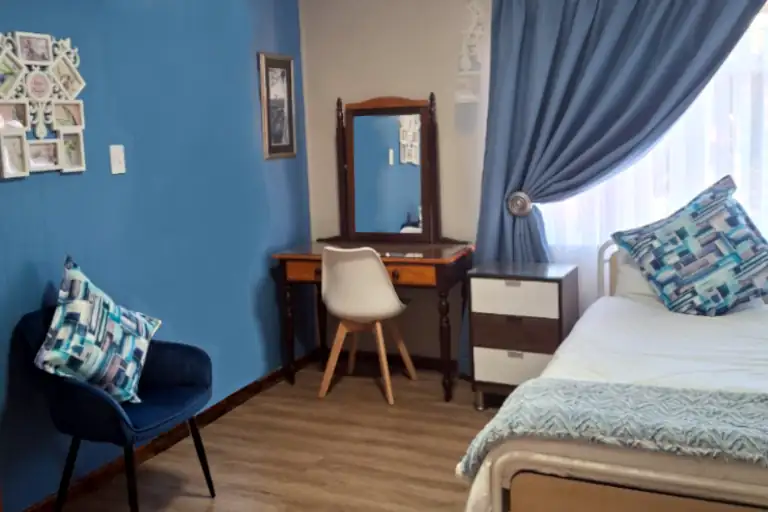
Comfortable Frail Care
Embracing a Future of Uncompromising Quality
Success in modern retirement care is rarely measured merely by clinical cures or physical recovery. It is measured by significantly reduced distress, perfectly preserved dignity, restored family relationships, and peaceful, well-managed transitions. A dedicated social worker serves as an unwavering advocate, mediator, educator, and protector, ensuring that a human being is never overshadowed by illness or dependency.
For families seeking the absolute highest standard of continuous care, relocating to a premium environment in Newcastle offers unparalleled peace of mind. Clarity, confidence, and continuity are not just aspirational goals; they are the daily realities forged by our expert multidisciplinary care teams. The gerontological social worker remains the guardian of identity, ensuring that every resident’s life story, choices, and voice continue to matter immensely.
Visit our Homepage at lagratitude.co.za for the friendliest retirement accommodation in Northern KwaZulu-Natal, or feel free to contact us. Amenities & Features include independent living cottages, beautiful garden surroundings, a secure and quiet environment, well-maintained facilities, and a profound sense of community and peace of mind. For more information or to schedule a viewing, please visit https://lagratitude.co.za/
Citations
- The Loneliest Job in the World: The Unseen Sacrifice Behind Nonprofit Leadership – https://lagratitude.co.za/nonprofit-leadership/
- Why Growth Remains One of the Most Important Parts of Retirement – https://lagratitude.co.za/growth/
- La Gratitude Senior Living – https://lagratitude.co.za/
You can make a difference

With your assistance, the volunteers at La Gratitude will be able to take better care of not only the residents at the old age home but also the greater Newcastle community. La Gratitude is constantly involved in outreach projects to help the elderly in need in and around Newcastle.
Your donations will be greatly beneficial in the provision of food and other basic necessities for the less fortunate elderly people that require assistance.
Donating is easy, click here to donate now.


