


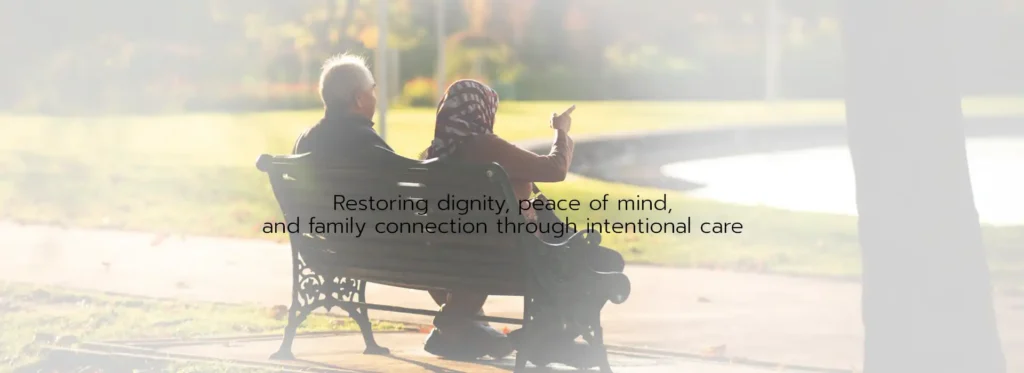
Restoring dignity, peace of mind, and family connection through intentional care
Caregiver Resentment rarely begins with anger. It usually begins with love.
An adult child wants to honour their parent. A spouse wants to remain faithful. A family wants to “do the right thing.” Yet as months turn into years, the emotional and physical demands of daily care can quietly stretch beyond what anyone expected. What once felt meaningful can start to feel heavy. And that heaviness, left unspoken, slowly reshapes relationships.
For many older adults and their families across South Africa, this tension is deeply familiar. Careers are demanding. Medical needs increase. Administrative responsibilities multiply. Without structured support, even the most devoted families can find themselves navigating subtle frustration, exhaustion, and guilt. Caregiver Resentment does not mean love has disappeared. It simply signals that the system needs strengthening.
In our previous article, The Obligation vs Love: Reclaiming Authentic Family Connections in Retirement, we explored the crucial difference between acting from joyful alignment and acting from pressured duty. We then examined in The Invisible Ledger: How Financial Strings Control Family Relationships how unspoken financial expectations can quietly distort family dynamics.
Both discussions revealed a common thread: when burdens are carried without clarity, structure, and shared responsibility, relationships begin to strain.
This week, we move one step deeper. We will examine how Caregiver Resentment develops psychologically and physically, what Scripture teaches about shared burdens, and how intentional, dignified Elderly Support can restore rest to the entire family. Because retirement years should be marked by peace, not pressure — and love should remain free from resentment.
Modern Living Flats
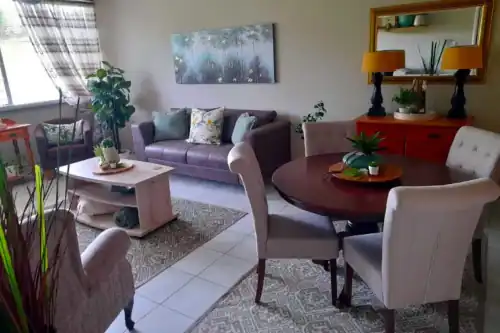
Basic Cottages

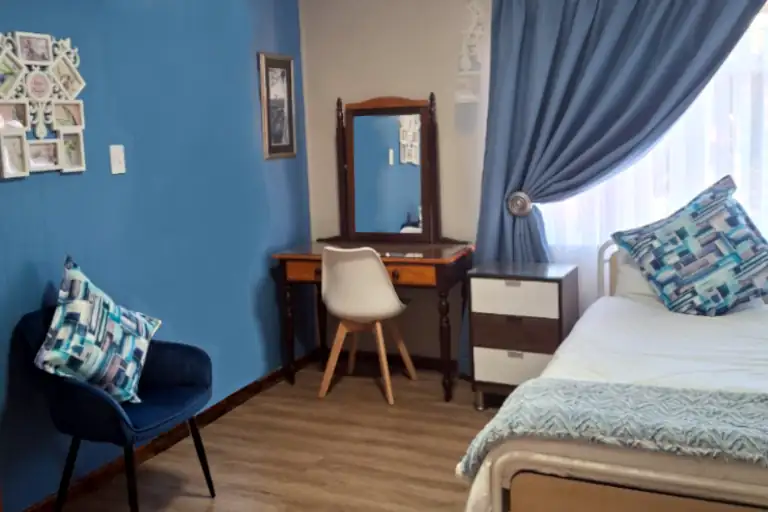
Modern Comfort Cottages

Comfortable Frail Care
Understanding Caregiver Resentment in Modern Families
Caregiver resentment often begins with good intentions. An adult child wants to honour their parent. A spouse wants to remain faithful to their vows. A sibling wants to “step up.” Yet as needs grow more complex — medication management, mobility assistance, medical appointments, household administration — the role quietly expands beyond what one person can sustainably carry.
Psychologists describe a shift from intrinsic motivation to extrinsic pressure. When we act from love and alignment with our values, care feels meaningful. When we act from guilt, obligation, or fear of judgment, our nervous system interprets the responsibility differently. Stress hormones rise. Fatigue deepens. Patience thins.
Over time, what once felt like devotion can feel like duty.
This is not a moral failure. It is a human limitation.
Without structured Elderly Support, families often operate in survival mode. The emotional cost accumulates long before anyone speaks about it.
Biblical Wisdom on Shared Burdens
Scripture speaks tenderly into this reality. In Galatians 6:2, we read:
“Carry each other’s burdens, and in this way you will fulfill the law of Christ.”
Notice the wording. Burdens are meant to be shared. The instruction is communal, not individual.
The Bible never instructs an exhausted person to carry everything alone. Even Moses required support when the leadership load grew too heavy. Even Paul travelled with companions. God’s design has always involved shared strength.
For older adults, this means receiving care is not a weakness. It is participation in God’s design for community.
For adult children, this means seeking additional Elderly Support is not abandonment. It is wisdom.
When care becomes structured and shared, resentment loses its oxygen.
The Physiological Toll of Unmanaged Duty
Research from institutions like the American Psychological Association and Mayo Clinic consistently shows that prolonged caregiving stress increases cortisol levels, weakens immunity, disrupts sleep, and elevates the risk of depression.
Chronic stress changes how we perceive those around us. Instead of seeing a parent as someone to cherish, the brain may begin to register them as a source of demand. This neurological shift is subtle but powerful.
When Elderly Support is introduced — especially in a structured, secure environment — the stress response has space to quiet down. Adult children sleep better. Seniors receive consistent, dignified care. Conversations shift from logistics to connection.
The biology of burnout begins to reverse when responsibility becomes shared.


The Health Pillar: Restoring Emotional Balance
Health in later years is not only physical. Emotional health inside the family system matters just as much.
When professional teams manage medication, frail care, safety, and daily structure, the emotional dynamic shifts immediately. Adult children no longer arrive for visits already depleted. Seniors no longer sense hidden frustration.
In thoughtfully designed retirement communities in Newcastle, Elderly Support is not rushed or transactional. It is consistent, respectful, and attentive. This consistency restores dignity to the resident and steadiness to the family.
The result is simple but profound: visits feel like visits again.
The Resilience Pillar: Protecting Family Bonds
Families are remarkably resilient when supported properly. But resilience requires margin.
If every interaction revolves around tasks — paying bills, lifting, cleaning, coordinating appointments — emotional connection erodes. When those tasks are delegated to trained professionals, family members regain the ability to be present.
Elderly Support becomes the protective boundary that shields the relationship from becoming purely functional.
Instead of managing crises, families can celebrate birthdays. Instead of arguing over schedules, they can share meals. Instead of counting tablets, they can tell stories.
Resilience returns when love is no longer competing with exhaustion.
The Lifestyle Pillar: Releasing the Hero Role
Many adult children unconsciously assume the “hero role.” They believe that stepping back means failing. Yet carrying more than one can sustain rarely honours anyone in the long term.
A healthier pattern is shared responsibility.
In secure retirement estates with independent cottages, garden surroundings, and available frail care, practical burdens are lifted without diminishing independence. Residents maintain autonomy where possible while knowing additional Elderly Support is available when needed.
This balanced model preserves dignity while removing panic from the equation.
The Connection Pillar: Returning to Joy
When logistical strain is reduced, something beautiful happens.
Adult children travelling from Johannesburg or Durban arrive in Newcastle not to manage emergencies, but to enjoy time together.
They sit in gardens. They talk. They laugh. They leave without the heavy undercurrent of unfinished tasks.
This is the quiet transformation Elderly Support makes possible. Love becomes the primary currency of the relationship again.
Caregiver resentment fades when the connection is no longer overshadowed by constant responsibility.
More About La Gratitude Accommodation
Situational Applications for Families Considering Transition
If you recognise signs of caregiver resentment in your own family, consider these gentle reflections:
- Are conversations dominated by logistics?
- Is exhaustion present before visits even begin?
- Do small frustrations feel disproportionate?
- Has joy quietly diminished?
These signs are invitations, not accusations.
Exploring structured Elderly Support in Northern KwaZulu-Natal may not be a retreat from quality care. It may be an elevation toward it.
Newcastle offers a quieter pace, secure surroundings, and thoughtfully maintained environments designed specifically for later-life wellbeing. For many families, this geographic shift from large metros to a calmer region becomes the turning point.
Conclusion: Choosing Peace Without Guilt
Caregiver resentment thrives in silence. Elderly Support restores clarity.
When care becomes shared, families rediscover balance. When professionals carry the medical and logistical weight, emotional space opens. When seniors live in secure, well-maintained communities, dignity strengthens.
Choosing structured Elderly Support is not stepping away from responsibility. It is being stewarded wisely.
At La Gratitude, we believe later years should be marked by peace, security, and genuine connection. When families are supported, relationships flourish.
If you are considering the next step for your loved one, we invite you to explore how Elderly Support in Newcastle can protect both dignity and family harmony.
Citations
- Mayo Clinic: Caregiver Stress and Burnout – https://www.mayoclinic.org/healthy-lifestyle/stress-management/in-depth/caregiver-stress/art-20044784
- Center for Self-Determination Theory: The Theory – https://selfdeterminationtheory.org/theory/
- Family Caregiver Alliance: Caregiver Health and Wellness – https://www.caregiver.org/resource/caregiver-health/
- Cleveland Clinic: Caregiver Burnout – https://my.clevelandclinic.org/health/diseases/9225-caregiver-burnout
- American Psychological Association: Caregiving – https://www.apa.org/pi/about/publications/caregivers/faq/health-effects
Thank you for your continued support, we appreciate your likes, follows and retweets on Facebook, Twitter, Pinterest and Link
With your assistance, the volunteers at La Gratitude will be able to take better care of not only the residents at the old age home but also the greater Newcastle community. La Gratitude is constantly involved in outreach projects to help the elderly in need in and around Newcastle. Your donations will be greatly beneficial in the provision of food and other basic necessities for the less fortunate elderly people that require assistance.You can make a difference

Donating is easy, click here to donate now.


