


Understanding Your Retirement Accommodation Options
Choosing retirement accommodation involves practical questions about where you will live, how your needs may change, what support is available, and how the community fits into your daily life.
For individuals and families considering a move to Newcastle from Gauteng, the North West, KwaZulu-Natal, or other parts of South Africa, the decision can involve several areas of concern. Families may want to understand the accommodation options, healthcare support, accessibility, community environment, pets, moving arrangements, and the different forms of tenure available.
This Accommodation FAQ brings together some of the questions that commonly arise when considering retirement living at La Gratitude. It is designed to help prospective residents and their families gather the information they need before making a decision.
For practical guidance about preparing for a move, see our article, Downsizing and Moving: Practical Tips and Debunking Myths for a Smooth Transition to Retirement Accommodation.
For information about life rights and how they work within retirement accommodation, see Life Rights for Retirement Accommodation: Understanding Your Options.
Modern Living Flats
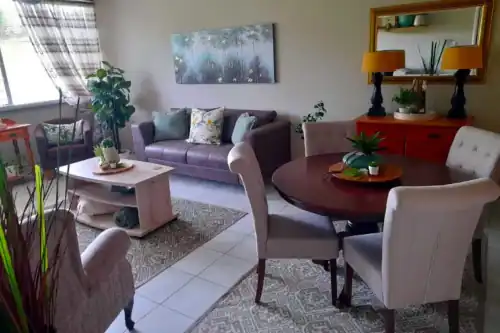
Basic Cottages

Modern Comfort Cottages

Comfortable Frail Care
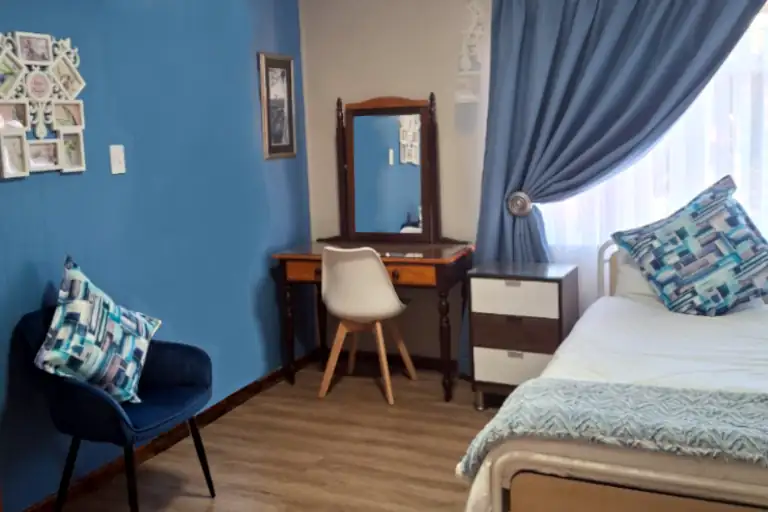
What Types of Retirement Accommodation Are Available?
La Gratitude provides a range of accommodation options designed around different stages of retirement living.
Depending on individual circumstances and availability, prospective residents can enquire about:
- Independent flats
- Cottages
- Accommodation suitable for couples
- Assisted living
- Frail care
The aim is to provide residents with a home environment that supports independence, dignity, comfort, and a sense of belonging.
When considering accommodation, it is helpful to think about both present needs and possible future requirements. A suitable retirement community can provide reassurance when circumstances change and additional support becomes necessary.
How Do I Choose the Right Accommodation?
The right accommodation depends on your lifestyle, mobility, personal preferences, household requirements, and level of support.
Some residents value having a private cottage or flat where they can maintain an independent daily routine. Others may need accommodation that provides easier access to assistance or healthcare services.
When viewing accommodation, consider questions such as:
- How much living space do I need?
- Would a flat or cottage suit my lifestyle?
- Do I need ground-floor or wheelchair-friendly access?
- Will my accommodation remain suitable if my mobility changes?
- Am I planning for myself or for a couple?
- What level of care may be required in the future?
- Are pets permitted within the accommodation I am considering?
Speaking with the La Gratitude team can help you understand which options may be appropriate for your circumstances.
Is Retirement Accommodation Suitable for Couples?
Retirement planning can involve important decisions for couples, particularly when each partner has different health, mobility, or support requirements.
Accommodation options for couples can provide an opportunity to continue living together while receiving access to the support available within the broader retirement community.
When discussing accommodation for a couple, it is useful to explain both partners’ current requirements and any foreseeable changes that may affect their living arrangements.
The goal is to support dignity, privacy, companionship, and practical security within the same community.
What Happens If My Care Needs Change?
This is one of the most important questions to ask when considering retirement accommodation.
Health and mobility requirements can change over time. Having access to different levels of support within the same retirement community can provide valuable reassurance for residents and their families.
La Gratitude includes frail care facilities alongside independent accommodation. Depending on individual circumstances, residents may therefore have access to additional care and nursing support when their needs require it.
Families considering retirement accommodation should ask about:
- The types of care available
- Nursing support
- Assistance with daily activities
- Accommodation within the care environment
- How care needs are assessed
- How transitions between different levels of support are managed
Understanding these arrangements in advance can make future planning easier for both residents and their families.


Is La Gratitude Suitable for Someone Who Wants to Remain Independent?
Independent living remains an important part of retirement for many residents.
Retirement accommodation can provide a private home where residents maintain their routines, make their own decisions, welcome visitors, participate in community activities, and enjoy their personal interests.
At the same time, having support services and care facilities within the community can provide reassurance when additional assistance becomes necessary.
The level of support should always be discussed according to the resident’s individual circumstances.
Is the Accommodation Accessible for People With Mobility Challenges?
Accessibility is an important consideration when choosing retirement accommodation.
Prospective residents should discuss their specific mobility requirements when viewing accommodation. This may include wheelchair access, entrance arrangements, bathroom requirements, ground-floor living, walking distances, and access to communal facilities.
A personal assessment of the accommodation is valuable because mobility needs differ from person to person.
Planning for accessibility can also help residents remain comfortable and independent as their circumstances change.
Can I Bring My Pet?
For many people, a pet forms an important part of home life. Moving into retirement accommodation can therefore raise an important question: Can I bring my companion with me?
Pet policies can depend on the accommodation and the circumstances involved. Prospective residents should discuss their pet with the La Gratitude team before making arrangements.
Questions may include:
- Are dogs or cats permitted?
- Are there specific accommodation requirements?
- Are there rules concerning the number or size of pets?
- What responsibilities does the resident have for their pet?
- Are there designated areas where pets can be exercised?
Clarifying the policy in advance helps families plan their move with confidence.
More About La Gratitude Accommodation
What Should I Consider When Downsizing?
Downsizing can be an important part of preparing for retirement accommodation.
After many years in a family home, deciding what to keep, donate, sell, or pass on can feel significant. The process can become easier when approached in stages.
Start by considering what you use regularly and what has genuine personal meaning. Furniture, household equipment, clothing, documents, photographs, and sentimental possessions can then be reviewed according to the space available in your new accommodation.
Our article, Downsizing and Moving: Practical Tips and Debunking Myths for a Smooth Transition to Retirement Accommodation, provides additional guidance for preparing for the move.
What Should I Know About Life Rights?
Life rights are another form of retirement accommodation arrangement that families may encounter when researching their options.
A life right generally provides a resident with a right to occupy a particular home within a retirement development for the duration and under the conditions specified in the agreement.
Because life-right agreements can contain important legal and financial provisions, prospective residents should read the documentation carefully and obtain independent professional advice where appropriate.
Our dedicated article, Life Rights for Retirement Accommodation: Understanding Your Options, explains the concept in greater detail and provides useful questions to consider when evaluating this type of arrangement.
What Should I Ask Before Choosing Retirement Accommodation?
A retirement accommodation decision deserves careful consideration.
When visiting a community, prepare a list of questions before your appointment. Useful areas to discuss include:
- What accommodation options are currently available?
- Which accommodation would suit my circumstances?
- What support services are available?
- What happens if my care needs change?
- How is healthcare support managed?
- What accessibility features are available?
- What are the rules regarding pets?
- What community activities are available?
- How are visitors accommodated?
- What are the arrangements for meals and daily services?
- What forms of tenure are available?
- What documentation should I review before making a decision?
- What should I know about moving and downsizing?
A thorough conversation with the retirement community can help you understand whether the environment and accommodation are suitable for your needs.
What Makes a Retirement Community Feel Like Home?
Retirement accommodation is ultimately about daily life.
A comfortable home, supportive relationships, meaningful activities, personal independence, access to assistance, and a sense of security all contribute to the experience of retirement living.
For residents, community can become an important part of everyday life. Shared spaces and activities can provide opportunities for conversation, friendship, participation, and connection.
Families also gain reassurance from knowing where their loved one lives and what support is available around them.
At La Gratitude, the focus is on creating a welcoming retirement community where residents can enjoy their independence while having access to appropriate support as their circumstances develop.
Making an Informed Retirement Accommodation Decision
Choosing retirement accommodation is a personal decision that deserves time, information, and thoughtful discussion.
The questions surrounding accommodation often extend beyond the physical home. Families need to consider independence, accessibility, healthcare, future support, pets, companionship, community life, downsizing, and the type of accommodation arrangement that suits their circumstances.
An informed decision begins with asking the right questions and understanding the answers.
If you are considering retirement accommodation in Newcastle, we invite you to speak with the La Gratitude team about your requirements, your preferred accommodation, and the support you may need.
Explore the La Gratitude website to learn more about retirement living, accommodation, care, and life at the community.
La Gratitude — retirement accommodation in Newcastle, Northern KwaZulu-Natal, with a community built around dignity, care, independence, and belonging.
Thank you for your continued support, we appreciate your likes, follows and retweets on Facebook, Twitter, Pinterest and LinkedIn. Make sure to share this post with friends and family.
You can make a difference

With your assistance, the volunteers at La Gratitude will be able to take better care of not only the residents at the old age home but also the greater Newcastle community. La Gratitude is constantly involved in outreach projects to help the elderly in need in and around Newcastle.
Your donations will be greatly beneficial in the provision of food and other basic necessities for the less fortunate elderly people that require assistance.
Donating is easy, click here to donate now.


