


Thoughtful Nutritional Strategies Support Healthy Ageing and Quality Retirement Living
Growing older changes the way the body uses energy, responds to food and manages everyday nutritional needs. Appetite may decline, muscle mass can decrease, thirst can become less reliable, and dental or swallowing difficulties can influence what a person is able and willing to eat. These changes make thoughtful Nutritional Strategies an increasingly important part of healthy ageing.
For families, the question often begins with something simple: what should an older person eat? Our earlier article, What to Eat at 80, explored this question from the perspective of food choices in later life. That conversation opens the door to a broader consideration of how nutrition needs can change and why retirement care requires thoughtful attention to the whole person.
There is another important connection. Our article, Why Growth Remains One of the Most Important Parts of Retirement, considers how retirement can remain a meaningful period of development and wellbeing. Nutrition belongs within that picture because daily food, hydration, strength and health can all influence how comfortably a person participates in everyday life.
So what should families understand about Nutritional Strategies after 60? The answer involves South African dietary guidance, protein, hydration, fibre, appetite, food safety, medical conditions and the social experience of eating.
FAQ
What are Nutritional Strategies for older adults?
Nutritional Strategies for older adults involve considering the variety, nutrient density, protein, fibre, fluids and overall quality of food while taking individual circumstances into account. Ageing can affect appetite, thirst, chewing, swallowing, mobility and nutritional requirements. South Africa has specific food-based dietary guidelines for people aged 60 and above, providing a locally relevant framework for healthy eating. Individual medical conditions, medication, allergies and dietary requirements should also be considered when appropriate.
Why is protein important after 60?
Protein contributes to muscle maintenance, strength, physical function, recovery, immune function and tissue maintenance. ESPEN guidance recommends at least 1.0 g of protein per kilogram of body weight per day for older adults, with approximately 1.0–1.2 g/kg suggested for many healthy older people. Requirements can increase during illness, recovery or other clinical circumstances, so individual assessment remains important.
Why does hydration matter for older adults?
Thirst can become less reliable with age, which can make regular fluid intake an important consideration. South African elderly dietary guidelines recommend drinking clean, safe water and other appropriate fluids throughout the day, even when a person does not feel thirsty. People with medical conditions requiring fluid restrictions should follow their healthcare professional’s guidance.

Nutrition After 60 Is About More Than Calories
Older adults can have lower energy requirements while retaining significant nutritional requirements. Reduced physical activity, changes in metabolism, loss of muscle and bone mass, reduced appetite and health conditions can all contribute to this change.
This means the nutritional value of everyday meals deserves careful attention. Protein, fibre, calcium, vitamins, healthy fats and adequate fluids all contribute to normal body function. Nutritional Strategies should therefore consider food quality and variety alongside the amount being consumed.
South Africa has specific food-based dietary guidelines developed for adults aged 60 and above. These guidelines take local dietary practices, nutrition problems, socioeconomic conditions and barriers to food intake into account. They provide an especially relevant foundation for understanding senior nutrition within the South African context.
Good nutrition begins with understanding how nutritional needs can change.
Modern Living Flats

Basic Cottages

Modern Comfort Cottages

Comfortable Frail Care

South Africa Has Specific Dietary Guidance for Older Adults
South Africa’s elderly food-based dietary guidelines provide a practical framework based on familiar foods and everyday eating habits. They encourage older adults to enjoy a variety of nutritious foods, eat different coloured vegetables and fruit every day, and regularly include dry beans, split peas, lentils and soya.
The guidelines also recommend including fish, chicken, lean meat or eggs in most meals, together with milk, maas, cheese or yoghurt every day. Wholegrain starchy foods can form part of meals in appropriate portions, while fats, salt and foods high in sugar should be used sparingly.
Hydration and food safety receive specific attention. Older adults are encouraged to drink clean, safe water and other appropriate fluids throughout the day, even when they do not feel thirsty. The guidelines also recommend eating clean and safe food.
These principles provide a strong South African foundation for Nutritional Strategies in retirement living.


Protein Helps Protect Strength and Independence
Protein deserves particular attention as people age because it contributes to muscle maintenance, strength, physical function, recovery, immune function and tissue maintenance.
ESPEN guidance suggests approximately 1.0–1.2 grams of protein per kilogram of body weight per day for many healthy older adults. Certain circumstances, including illness, recovery or weight loss, may require higher protein intake. Individual clinical circumstances remain important, particularly when kidney disease or other medical conditions are present.
Protein can come from familiar foods. Eggs, fish, chicken, lean meat, milk, maas, yoghurt, cheese, beans, lentils, soya, nuts and seeds can all contribute to daily intake.
Protein requirements can change considerably with age and health status. A dietitian or healthcare professional can determine an appropriate intake for an individual where illness, kidney disease, weight loss or other medical circumstances are present.
Strength and nutritional wellbeing are closely connected to everyday eating habits.
Build Meals Around Nutrient-Dense Foods
Nutritious meals can be built around familiar South African foods. Vegetables and fruit provide important vitamins, minerals and fibre, while legumes such as beans, lentils, split peas and soya can provide protein and other nutrients.
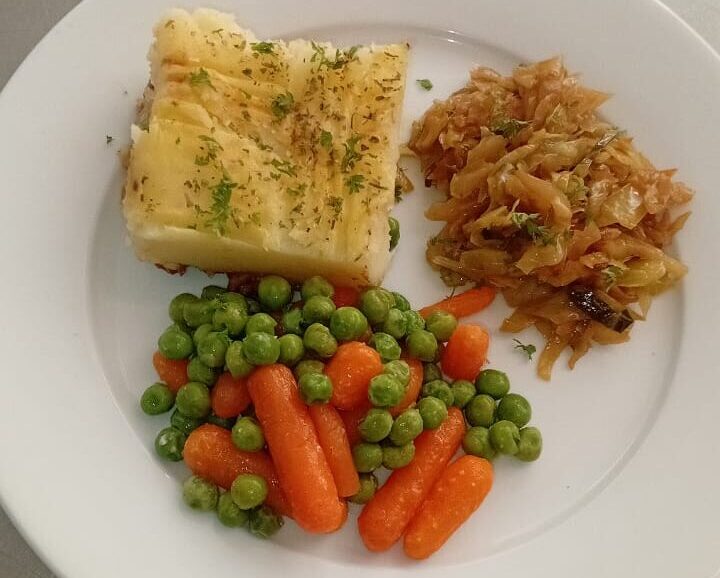
Colour provides a useful way to think about variety. Spinach, cabbage, carrots, tomatoes, pumpkin, broccoli and green beans can contribute different nutrients across meals. Oranges, naartjies, apples, bananas and seasonal berries can add further variety.
Milk, maas, yoghurt and cheese can contribute protein and calcium. Oats, wholegrain bread, brown rice, wholegrain cereals, maize-based staples, potatoes and sweet potatoes can provide useful sources of carbohydrate and energy when included in suitable portions.
Nutritional Strategies become practical when nutritious choices remain familiar, accessible and enjoyable.
Hydration Deserves Daily Attention
Thirst can become less reliable with age. Changes in thirst perception, kidney function, fluid regulation, mobility and access to drinks can all influence hydration.
South Africa’s elderly dietary guidelines therefore recommend drinking clean, safe water and other appropriate fluids throughout the day, even when a person does not feel thirsty. Water, milk, unsweetened tea, rooibos and suitable soups can contribute to daily fluid intake.
Individual medical advice remains essential for people with prescribed fluid restrictions, including some individuals with heart or kidney conditions. General hydration guidance should never override a person’s clinical requirements.
Hydration is an everyday consideration that deserves deliberate attention when appetite and thirst change.
Salt, Sugar and Highly Processed Foods Need Attention
Salt and sugar form an important part of the nutritional conversation in later life. WHO recommends that adults consume less than 2,000 mg of sodium per day, equivalent to less than 5 grams of salt. South African research has identified processed foods as significant contributors to sodium intake, with bread identified as an important contributor.
Processed meats, sausages, cold meats, salty snacks, instant soups, stock powders, pies, fast foods and heavily salted convenience foods can contribute substantial amounts of sodium. Herbs, garlic, onion, lemon, vinegar, pepper and spices can provide flavour while supporting a lower-salt approach.
Foods and drinks high in sugar should also be used sparingly. Sugary drinks, sweetened tea and coffee, sweets, biscuits, cakes, desserts and highly sweetened cereals can contribute significant amounts of free sugar.
Balanced Nutritional Strategies leave room for enjoyment while keeping overall dietary patterns in perspective.



Fibre, Calcium, Vitamin D and B12 Still Matter
Fibre supports bowel regularity, digestive health, cholesterol management and blood glucose regulation. WHO guidance gives a general reference of at least 25 grams of naturally occurring dietary fibre per day for people over 10.
Beans, lentils, peas, vegetables, fruit, oats, wholegrain bread, brown rice, wholegrain cereals, nuts and seeds can contribute fibre. Increasing fibre gradually while maintaining adequate fluid intake can help prevent discomfort associated with sudden dietary changes.
Calcium contributes to bone structure, muscle function and normal physiological processes. Milk, maas, yoghurt and cheese are useful South African sources, while certain fish, legumes and leafy vegetables can also contribute.
Vitamin D contributes to calcium absorption, bone health, muscle function and normal immune function. Vitamin B12 contributes to red blood cell formation, neurological function and DNA synthesis. Older adults can experience absorption difficulties, while certain medicines and gastrointestinal conditions can contribute to deficiency.
Nutritional Strategies therefore need to consider the nutritional value of food across the whole diet.
Appetite, Chewing and Swallowing Can Change
Eating well depends on being able and willing to eat. Older adults may experience reduced appetite, altered taste or smell, early fullness, dental difficulties or swallowing problems. Medication and social circumstances can also influence eating patterns.
For someone who becomes full quickly or needs to increase nutritional intake, smaller nutrient-dense meals or snacks may sometimes be useful. People experiencing chewing difficulties may find foods such as yoghurt, eggs, soft vegetables, tender fish, soft cooked legumes, porridge, mashed vegetables and soft fruit easier to manage.
Swallowing difficulties require particular care. Dysphagia can involve texture modification, altered fluid consistency, swallowing assessment and professional dietary recommendations. Detailed swallowing management should be guided by appropriately qualified professionals.
Good Nutritional Strategies recognise that the same meal cannot automatically meet every individual’s needs.
Food Safety Matters More With Age
Food safety is an important part of nutritional care for older adults. Age-related physiological changes, reduced immunity, disease and medication effects can increase susceptibility to foodborne illness.
Safe food practices include appropriate cooking, clean preparation, correct storage, temperature control, separation of raw and cooked food, careful handling, appropriate hygiene, attention to expiry dates and safe drinking water.
For retirement and frail-care environments, food safety forms part of the wider responsibility of caring for older adults. It requires knowledge, consistency and attention to detail.
A nutritious meal serves its purpose when it is prepared, stored and handled safely.
More About La Gratitude Accommodation
Medical Conditions Can Change Dietary Requirements
There is no single dietary pattern suitable for every older adult. Diabetes, hypertension, cardiovascular disease, kidney disease, osteoporosis, gastrointestinal conditions, undernutrition, obesity, wounds and neurological conditions can all influence nutritional requirements.
Medication can also affect appetite, nutrient absorption and the way certain foods or drinks should be consumed. Older adults taking several medicines should ask their doctor or pharmacist whether any medicines have food, drink or supplement interactions.
Supplements can have an appropriate role where dietary intake, deficiency, disease or clinical circumstances warrant them. Their use should be guided by an appropriately trained healthcare professional.
At retirement age, nutrition becomes increasingly individual. Health status, medications, appetite, mobility, weight, oral health and personal preferences all deserve consideration.
Good Nutrition Can Still Be Practical and Affordable
Healthy eating does not require luxury ingredients. South Africa’s elderly dietary guidelines focus on locally available and affordable foods, making nutritious eating compatible with practical household planning.
Eggs, beans, lentils, split peas, soya, seasonal vegetables, cabbage, pumpkin, carrots, oats, maize, wholegrain staples, milk, maas, yoghurt, pilchards and seasonal fruit can all form part of nutritious meals.
This has practical relevance for retirement living. Good Nutritional Strategies can be locally appropriate, financially sensible and built around foods that older South Africans already recognise and enjoy.
Thoughtful nutrition can fit naturally into everyday retirement life.
The Social Side of Eating
Food also has a social dimension. Social support and interaction can influence eating habits, health and wellbeing among older adults. Eating with friends and family can make mealtimes more enjoyable and may support appetite.
Retirement living can provide opportunities for regular mealtimes and companionship around food. Shared routines and community activities can contribute to connection and participation.
The experience surrounding a meal can therefore form part of nutritional wellbeing. Food can provide nourishment while mealtimes can also provide opportunities for social connection.
What Should Families Ask a Retirement Community About Food?
When evaluating retirement accommodation, families have every reason to ask thoughtful questions about nutrition and care. The answers can reveal how carefully a community considers the changing needs of its residents.
Useful questions include:
- How are individual dietary requirements handled?
- How are food allergies managed?
- How are changing care needs accommodated?
- What happens when a resident’s appetite declines?
- How are hydration needs considered?
- How is food safety managed?
- How are individual nutritional needs communicated to the care team?
- What happens when a resident’s medical condition changes?
At La Gratitude, food and nutrition form part of the broader considerations involved in caring for older adults. Individual circumstances can change over time, which makes thoughtful care dependent on attention to the resident as a whole person.
These questions can help families assess the depth of care behind the dining experience.
Why Newcastle Deserves a Place on Your Retirement Shortlist
Retirement location can influence everyday life in practical ways. Peace and quiet can support regular routines, rest and social connection. Community can provide opportunities for companionship and participation, while accessibility matters because family members often want to remain involved.
Care also becomes increasingly important as needs change. Families considering retirement in Northern KwaZulu-Natal can therefore consider Newcastle within the wider question of what a complete retirement environment should provide.
For someone moving from a major urban centre, the decision can include accommodation, healthcare, security, food, transport, everyday expenses and community life. A calmer established environment can provide a setting where these practical considerations can be considered together.
La Gratitude offers retirement accommodation in Newcastle, with independent living, assisted living and frail-care options forming part of the considerations families may have as circumstances develop.
The location matters because retirement living encompasses the environment in which everyday needs are managed.


Good Retirement Care Considers the Whole Person
Nutritional Strategies are an important part of healthy ageing because nutrition after 60 involves much more than calories. Protein supports strength. Fibre supports digestive health. Calcium, vitamin D and B12 deserve attention. Hydration requires regular consideration. Appetite, chewing, swallowing, medical conditions, medication and food safety can all influence appropriate nutrition.
South Africa already has elderly-specific dietary guidelines providing a valuable foundation. They encourage variety, vegetables and fruit, legumes, appropriate protein foods, dairy, wholegrain starches, sensible use of fats, limited salt and sugar, regular fluids, physical activity and safe food.
For families choosing retirement accommodation, these considerations lead to a broader question: what does the community understand about caring for people as their needs change?
That question speaks to the quality of the entire living environment.
At La Gratitude, thoughtful retirement living begins with recognising the individual needs of older adults and considering comfort, care, community and peace of mind as part of everyday life.
Visit our Homepage at lagratitude.co.za for the friendliest retirement accommodation in Northern KwaZulu-Natal. La Gratitude offers independent living cottages, flats, assisted living and frail-care options within a secure and established retirement environment.
For more information or to schedule a viewing, please visit https://lagratitude.co.za/
Citations
South African Food-Based Dietary Guidelines for Older Adults
An introduction to the Food-Based Dietary Guidelines for the Elderly in South Africa
South African Journal of Clinical Nutrition
https://sajcn.co.za/index.php/SAJCN/article/view/293
This source establishes the development and purpose of the elderly-specific South African dietary guidelines for people aged 60 and above.
Food-based dietary guidelines – South Africa
Food and Agriculture Organization of the United Nations
https://www.fao.org/nutrition/education/food-dietary-guidelines/regions/south-africa/en/
This provides the South African food-guide framework and dietary messages relating to vegetables, fruit, legumes, protein foods, dairy, water, fats, salt and sugar.
Food and beverages promoting elderly health: six food-based dietary guidelines to plan good mixed meals for elderly South Africans
South African Journal of Clinical Nutrition
https://sajcn.co.za/index.php/SAJCN/article/view/299
This source supports the discussion of dietary diversity, vegetables and fruit, legumes, milk and milk products, protein foods and wholegrain foods.
International Nutrition Guidance
Healthy Diet
World Health Organization
https://www.who.int/en/news-room/fact-sheets/detail/healthy-diet
This source supports the article’s references to fruit and vegetable intake, dietary fibre, free sugars, sodium and healthy dietary patterns.
ESPEN practical guideline: Clinical nutrition and hydration in geriatrics
Clinical Nutrition / ESPEN
https://www.sciencedirect.com/science/article/abs/pii/S0261561422000346
This source supports the discussion of protein requirements and individual adjustment according to nutritional status, physical activity, disease status and tolerance.
Healthy eating, nutrition, and diet
National Institute on Aging
https://www.nia.nih.gov/health/healthy-eating-nutrition-and-diet
This source supports the discussion of nutrient-dense foods, healthy meal planning and common barriers affecting older adults.
Maintaining a Healthy Weight
National Institute on Aging
https://www.nia.nih.gov/health/maintaining-healthy-weight
This source supports the discussion of smaller frequent meals, nutrient-dense snacks and social dining for older adults who have difficulty maintaining adequate intake.
How Much Should I Eat? Quantity and Quality
National Institute on Aging
https://www.nia.nih.gov/health/how-much-should-i-eat-quantity-and-quality
This source supports the principle that older adults can require fewer calories while still needing nutrient-dense foods.
You can make a difference

With your assistance, the volunteers at La Gratitude will be able to take better care of not only the residents at the old age home but also the greater Newcastle community. La Gratitude is constantly involved in outreach projects to help the elderly in need in and around Newcastle.
Your donations will be greatly beneficial in the provision of food and other basic necessities for the less fortunate elderly people that require assistance.
Donating is easy, click here to donate now.


